


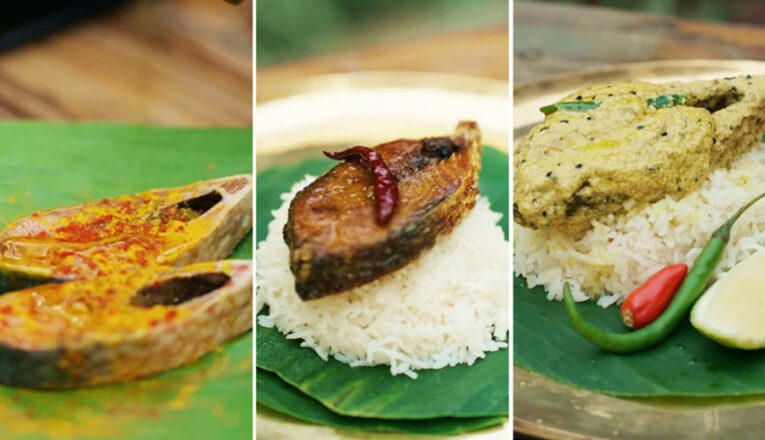
8 Hilsa Dishes You Must Try at Sundarbans Ilish Utsav 2026
The monsoon season in Bengal brings with it two things: the rhythmic pitter-patter of rain over the mangroves and the irresistible aroma of frying Ilish. The Sundarban Ilish Utsav (Hilsa Festival) has become a bucket-list experience for foodies and nature lovers alike. As we look forward to the 2026 edition, the festival promises to be a grand celebration of the “Queen of Fish.”
Dining on a boat as it glides through the narrow creeks of the Sundarbans, while being served authentic, slow-cooked Hilsa, is a culinary journey like no other. Here are the top Hilsa dishes you must try during the Sundarban Ilish Utsav 2026.
Ilish Macher Matha diye Pui Saag
A traditional starter that sets the tone for the feast. This dish uses the head of the Hilsa fish, cooked with Malabar spinach (Pui Saag) and seasonal vegetables like pumpkin and eggplant. The fatty richness of the fish head infuses the greens with a deep, smoky flavor that is quintessentially Bengali.
- Taste & Aroma: An earthy, “umami-heavy” starter. The sweetness of pumpkin and silkiness of Malabar spinach contrast with the intense, fatty flavor of the fish head. The smell is distinctly “mangrove-like”—a mix of fresh greens and deep-sea richness.
- Origin: This originated in the rural kitchens of East Bengal (now Bangladesh) as a “zero-waste” practice, using the prized fish head to flavor garden-grown vegetables.
- Recommendation: Eat this as your very first course with a small mound of rice. It awakens the palate for the heavier curries to follow.
Sorshe Ilish (Classic Mustard Hilsa)
This is the undisputed crown jewel of any Hilsa festival. Fresh steaks of Ilish are simmered in a pungent, velvety gravy made from a paste of yellow and black mustard seeds and fiery green chilies. The sharpness of the mustard perfectly complements the natural oiliness of the fish.
- Taste & Aroma: The undisputed crown jewel. It is famous for its “Jhhal” (pungent heat). The mustard paste creates a sharp, sinus-clearing aroma that hits you before the first bite, balanced by the creamy, oily texture of the fish.
- Origin: A staple of the Zamindari kitchens of old Bengal, where the specific blend of yellow and black mustard was a point of family pride.
- Recommendation: Ask for an extra drizzle of raw mustard oil on top. It enhances the pungency and brings out the fish’s natural sweetness.
Bhapa Ilish (Steamed Hilsa)
For those who prefer a more delicate texture, Bhapa Ilish is a must. The fish is marinated in a mixture of mustard paste, coconut milk (in some variations), and curd, then wrapped in banana leaves or placed in airtight tiffins and steamed to perfection. The result is a melt-in-your-mouth experience where the flavors are locked inside the meat.
- Taste & Aroma: Delicate and fragrant. It smells of coconut and mellow spices. Because it is steamed (often in a banana leaf), the juices are trapped inside, making the meat incredibly succulent and “buttery.”
- Origin: This technique was perfected by river-folk who lived on boats; steaming a tiffin box over a pot of boiling rice was the most efficient way to cook a fresh catch while traveling.
- Recommendation: Pair this with Basmati or Gobindobhog rice. The light fragrance of the rice complements the delicate steam of the fish.
Ilish Maach Bhaja with Tel-Morich
Simple yet iconic. Thick slices of Hilsa are marinated in turmeric and salt, then deep-fried in mustard oil until the skin is crispy. At the Ilish Utsav, this is traditionally served with hot steamed rice and the Ilish Tel (the oil used to fry the fish), which is a delicacy in itself.
- Taste & Aroma: The smell of Ilish frying in mustard oil is so potent it can be detected from across the river. The taste is salty, crunchy, and intensely savory, with a “melt-in-your-mouth” finish.
- Origin: The most ancient way of consuming Hilsa, dating back centuries to when simple frying was the best way to preserve the fish in the humid heat.
- Recommendation: Save the “Tel” (the oil from the frying pan). Pour it over hot rice with a single green chili. Many consider this the best part of the entire meal.
Doi Ilish (Hilsa in Yogurt)
Doi Ilish offers a wonderful balance of flavors. The tanginess of the yogurt tempers the richness of the fish, creating a light yet creamy gravy. It is a refreshing alternative for those who find the mustard heat of Sorshe Ilish too intense.
- Taste & Aroma: A soothing, lactic tang. The aroma is mild with hints of green cardamom. The taste is creamy and cooling, a favorite for those who find the traditional mustard gravy too aggressive.
- Origin: Likely influenced by the Mughlai culinary traditions of Dhaka, where yogurt was frequently used to create “Kormas” and royal gravies.
- Recommendation: This is an excellent “mid-meal” dish to transition between spicy fried items and lighter vegetable-based curries.
Ilish Beguner Jhol (Light Hilsa Curry with Eggplant)
This is the ultimate comfort food during the monsoon. A light, runny broth tempered with Kalo Jeera (Nigella seeds) and slit green chilies, featuring tender pieces of eggplant and Ilish. It is the perfect dish to enjoy while watching the rain fall over the Matla River.
- Taste & Aroma: Dominated by the aroma of Kalo Jeera (Nigella seeds). It is a clean, refreshing broth where the eggplant acts as a sponge, soaking up the Hilsa oil and the kick of green chilies.
- Origin: A classic “Ghoti” (West Bengal) preparation, favored for its light digestibility during the humid monsoon months.
- Recommendation: The best dish for a rainy afternoon on a boat; it’s light enough to keep you energized for an afternoon watchtower safari.
Lau-Ilish (Hilsa with Bottle Gourd)
A unique preparation where the fish is cooked with finely chopped bottle gourd. The “Lau” absorbs the juices of the Hilsa, making the vegetable the star of the show. It is a subtle, nutritious, and incredibly flavorful dish.
- Taste & Aroma: This dish smells of “fresh rain.” The bottle gourd (Lau) provides a watery sweetness that perfectly balances the heavy, rich oils of the Hilsa.
- Origin: A quintessential “Opar Bangla” (East Bengal) delicacy. In rural villages, the combination of “freshwater fish and garden gourd” is the height of home cooking.
- Recommendation: Best enjoyed during lunch. The high water content of the gourd helps keep you hydrated in the Sundarban humidity.
Ilish Maacher Tok (Sweet and Sour Hilsa)
No Bengali meal is complete without a “Tok” or chutney. This dish uses tamarind or dried mango (Aamsotto) to create a sweet and tangy syrup, featuring fried Hilsa pieces. It acts as a palate cleanser and a perfect end to the savory courses.
- Taste & Aroma: A sharp, vinegary or fruity aroma (from tamarind or dried mango). The taste is a rollercoaster of sweet, sour, and salty.
- Origin: A traditional Bengali palate cleanser used to end a multi-course meal, ensuring that the richness of the fish doesn’t lead to indigestion.
- Recommendation: Eat this at the very end of your savory courses, just before dessert. It leaves the palate feeling refreshed.
Why the Sundarbans Ilish Utsav is Special
The festival isn’t just about the food; it’s about the Borsha Boron (welcoming the monsoon) tradition. Most tour packages for the 2026 festival will include:
- Live Baul Music: Traditional folk performances on the deck.
- Jungle Safaris: Exploring watchtowers between meals.
- The Experience: Eating fresh, locally sourced Hilsa while surrounded by the dense greenery of the world’s largest mangrove forest.
Tips for Travelers:
- Book Early: The Ilish Utsav is incredibly popular, and the best houseboats and resorts (like Solitary Nook) fill up months in advance.
- Check the Dates: The festival typically runs from July to September, coinciding with the peak Hilsa season.
- Stay Hydrated: While the fish is delicious, Hilsa is rich in oils, so balance your meals with plenty of water.
The Sundarban Ilish Utsav 2026 is more than a tour; it’s a celebration of Bengal’s heritage. Make sure your appetite is ready for the feast of a lifetime!
Frequently Asked Questions (FAQs)
1. When will the Sundarban Ilish Utsav 2026 be held?
A: The festival typically runs throughout the peak monsoon season, from July to September. In 2026, major tours are scheduled for every weekend (Friday–Sunday) across these three months to ensure guests get the freshest catch.
2. What is the average cost of an Ilish Utsav tour package?
A: Prices vary based on accommodation and group size:
- Budget/Standard (Non-AC): Approximately ₹3,000 – ₹4,500 per person.
- Deluxe/Luxury (AC): Approximately ₹6,000 – ₹10,000 per person.
- Kolkata-to-Kolkata packages usually include transport and start around ₹5,500.
3. Is the festival suitable for vegetarians or those with seafood allergies?
A: While the festival celebrates Hilsa, most tour operators provide alternative menus. You can request vegetarian meals (like Paneer Dalna or Dhokar Dalna) or chicken/mutton dishes, provided you inform the organizers at the time of booking.
4. How do I reach the festival from Kolkata?
A: Most travelers take a local train from Sealdah to Canning (approx. 1.5 hours) and then a short auto-ride to Godkhali Ferry Ghat. Alternatively, many packages include a direct AC car pickup from Science City or the Indian Museum in Kolkata.
5. What should I pack for the monsoon tour?
A: Since it is the rainy season, essentials include:
- An umbrella or high-quality raincoat.
- Waterproof footwear or sandals with good grip.
- Mosquito repellent and basic first-aid.
- A power bank and waterproof pouches for your electronics.
6. Can I see tigers during the Hilsa Festival?
A: While the focus is on food, the tours include jungle safaris to watchtowers like Sudhanyakhali and Dobanki. Sightings are a matter of luck, but the monsoon makes the forest incredibly lush and beautiful for photography.