


Everything You Need to Know About Sundarban’s Hilsa Festival
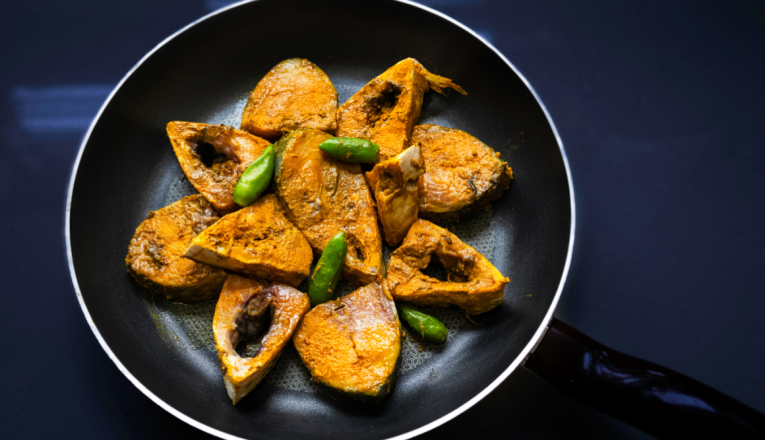
Have you ever wondered why a single fish can make an entire state pause in anticipation? In Bengal, the Hilsa (Ilish) isn’t just a meal; it’s an emotion. And when you combine the “Queen of Fish” with the mystical mangroves of the Sundarbans, you get the Ilish Utsav. It’s a culinary pilgrimage that every Bengali traveler dreams of.
But let’s be real for a moment. Most “Hilsa Festivals” you see advertised online involve crowded boats, lukewarm fish curry served in plastic plates. And not to forget the constant noise of a hundred other tourists.
If you’re looking for a more refined, soulful way to celebrate Bengal’s favorite silver crop, this guide is for you.
What exactly is the Sundarbans Hilsa Festival?
The Hilsa Festival (or Ilish Utsav) is a seasonal celebration held during the monsoon months (typically July to September). This is when the Hilsa migrates from the sea to the sweet river waters of the Sunderbans to spawn, making them exceptionally fatty, tender, and flavorful.
What makes the Sundarbans Hilsa Festival Special?
While the rain might deter some, the Sunderbans are at their most vibrant during the monsoon. The canopy is a deep, electric green, the rivers are full, and the air is washed clean of city dust. For a local from Kolkata, it’s the ultimate escape from the humid urban heat.
The Sundarbans Hilsa Festival (Ilish Utsav) is far more than just a food tour. It is a sensory immersion that coincides with the most dramatic season in the delta. When the monsoon hits the UNESCO World Heritage site, the landscape undergoes a transformation that makes the festival a “bucket-list” experience for any local traveler.
Here is an elaboration on what makes this period truly special:
1. The Freshness Factor: From River to Plate
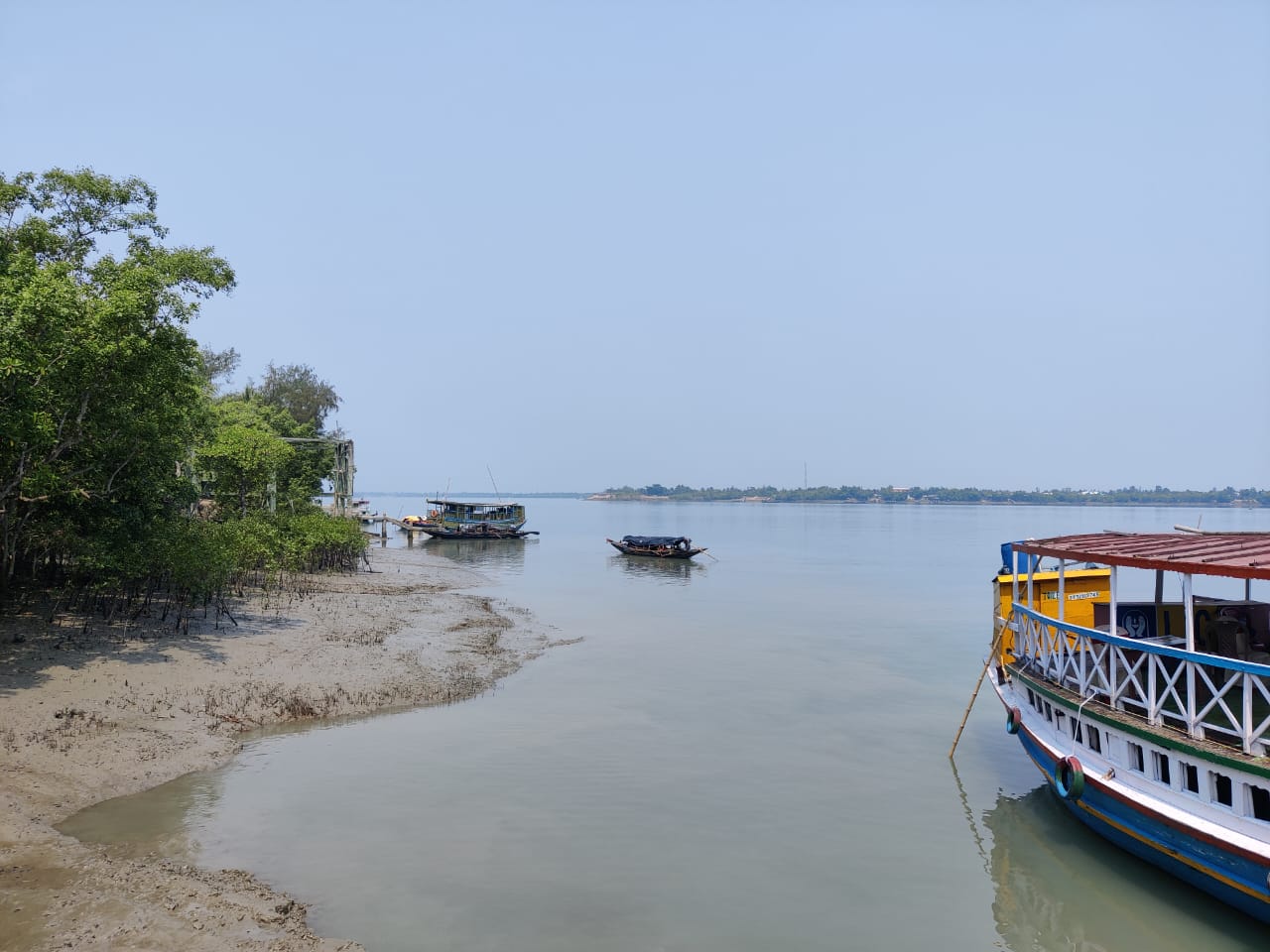
The primary reason the festival is special is the biological clock of the Hilsa. During the monsoon, the fish migrate from the salty Bay of Bengal into the fresh, silt-rich waters of the Padma, Meghna, and Hooghly rivers to spawn.
- The Result: The fish develop a higher fat content and a distinct “sweetness” that is lost once they are caught and frozen for city markets.
- Example: In a city market, you buy Hilsa that may have been on ice for days. At the Solitary Nook resort, you are often eating the “morning catch”—fish that was swimming in the delta just hours before it was marinated in mustard oil.
2. The Green Transformation
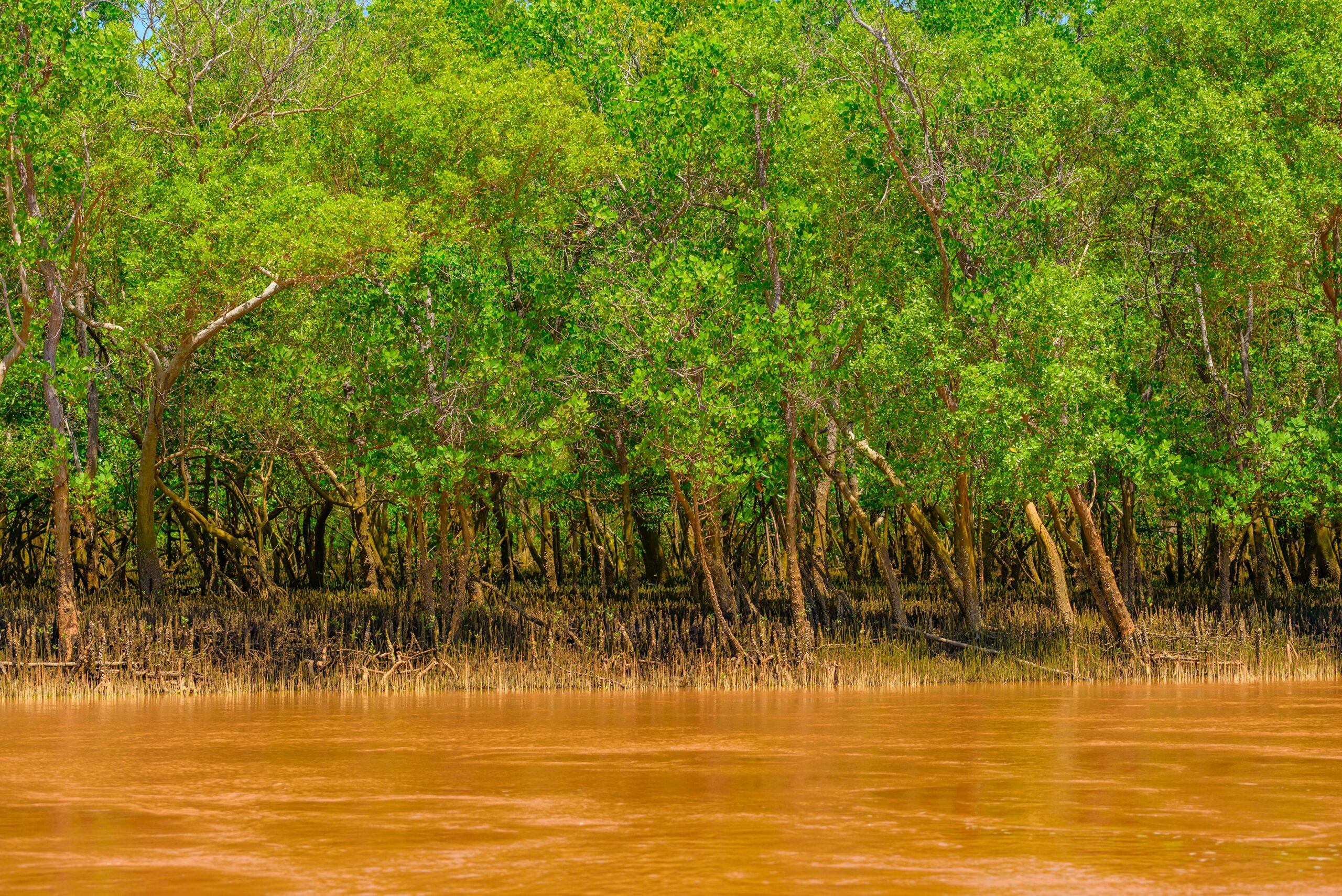
The “electric green” you mentioned isn’t hyperbole. The mangrove species—like the Sundari, Gewa, and Goran—react to the heavy rains by shedding old leaves and sprouting vibrant new ones.
- The Contrast: The sky is often a dramatic slate gray, which makes the neon-green canopy pop against the chocolate-brown, rain-swollen rivers.
- Example: A boat ride through the narrow creeks of Sudhanyakhali during a light drizzle feels like moving through a high-definition nature documentary. The dust of the city is replaced by the smell of petrichor mixed with the salty tang of the mangroves.
3. Wildlife Activity
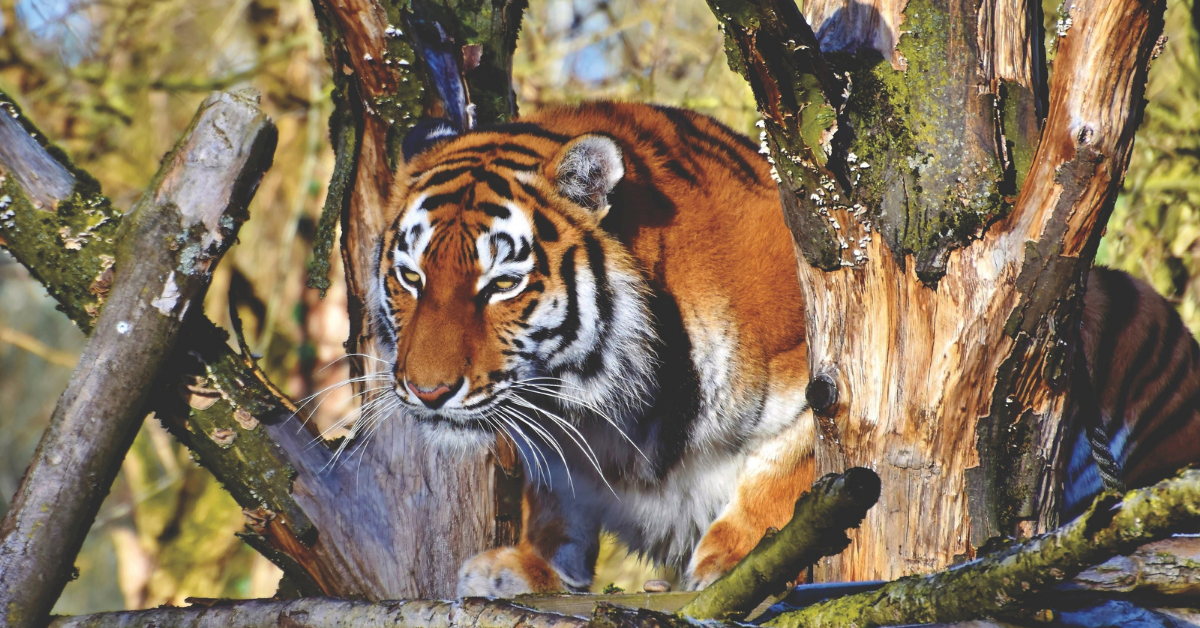
Many believe wildlife hides during the rain, but the opposite is often true. The rain washes away the salt crust from the leaves and refreshes the freshwater ponds (pukurs) within the forest.
- Animal Sightings: Spotted deer and Rhesus macaques become very active as they forage for fresh shoots. The predators, including the Royal Bengal Tiger, often come down to the mudflats to cross channels as the water levels rise.
- Example: From the safety of our luxury cottages, you can watch the rain lash across the river, creating a “white-out” effect that is both haunting and beautiful—a level of peace you can never find in the “humid urban heat” of Kolkata.
4. Cultural Immersion:The “Bhatiyali” Melodies
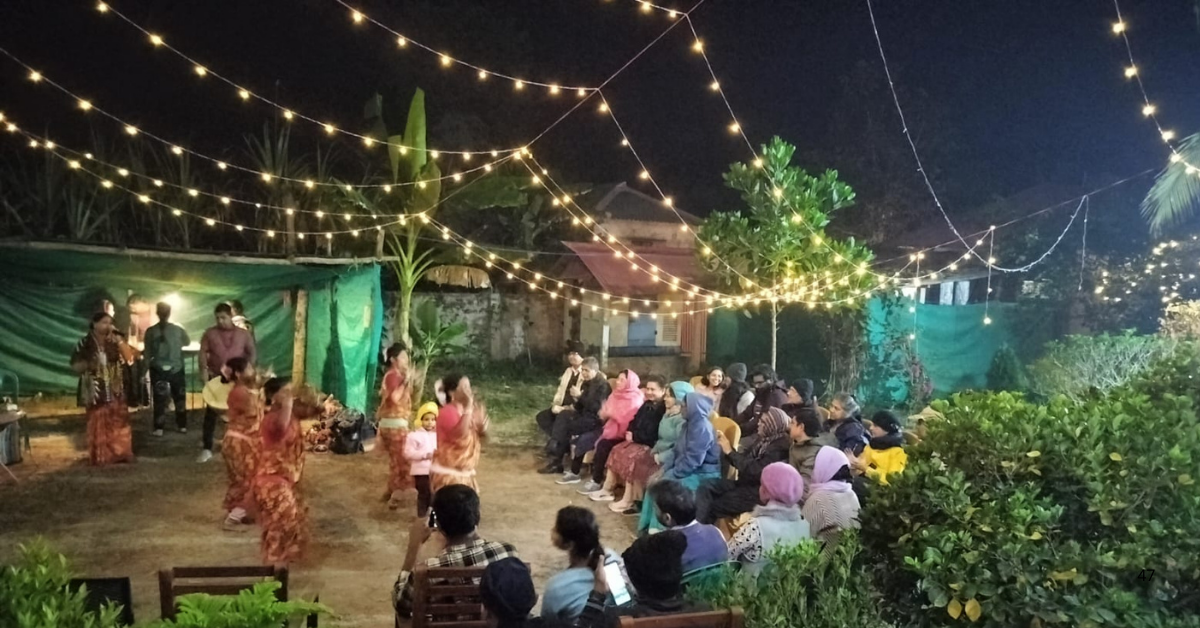
The festival isn’t just about eating; it’s about the culture of the water. During the monsoon, the local boatmen often sing Bhatiyali songs (traditional folk music of the oarsmen).
- The Vibe: Listening to these haunting melodies while the rain drums on the roof of a fully-equipped safari boat creates a deep emotional connection to Bengal’s roots.
- Example: Our evening programs feature local artists performing the Bonbibi Pala (the legend of the Forest Goddess), providing context to the landscape you explored during the day.
Comparison: City Life vs. The Ilish Utsav
| Feature | Kolkata in Monsoon | Sundarbans Ilish Utsav |
| Air Quality | Humid, heavy, and polluted | Crisp, rain-washed, and oxygen-rich |
| Sounds | Traffic honking, water-logging noise | Bird calls, rain on leaves, river ripples |
| Dining | Home-cooked or restaurant Hilsa | Freshly prepared multi-course Hilsa feast |
| Pace | Rushed and stressful | “Slow travel” and deep rejuvenation |
What’s on the Menu: The Culinary Roadmap
A true Hilsa festival is a multi-course journey. When you stay at our Pakhiralaya resort, your palate explores every facet of this fish:
- Ilish Matcher Tel: The golden oil from frying the fish, drizzled over hot steamed rice with a green chili.
- Sorshe Ilish: The classic—Hilsa cooked in a pungent mustard gravy.
- Ilish Bhapa: Steamed to perfection with coconut and mustard paste.
- Anaryas Ilish or Lau-Ilish: Unique regional variations that use pineapple or bottle gourd to balance the richness of the fish.
How to Plan Your Trip: A Practical Checklist
1. Timing is Everything
The festival peaks between July and late September. If you want the best “Tiger and Ilish” combo, aim for a weekend with a slight drizzle—that’s when the fish tastes best, and the forest feels most alive.
2. ChoosingTheRight Package for You
Don’t just look at the price. Look at the inclusions.
A standard Godkhali to Godkhali 1N-2D package should include your boat transfers, forest permits, all meals (minimum 5-6 Hilsa preparations), and luxury accommodation. At ₹ 6,700/- per pax, we ensure you aren’t cutting corners on hygiene or comfort.
3. What to Pack
- Waterproof gear: a sturdy umbrella and a dry bag for your camera.
- Earth-toned clothing: To blend into the forest during your Sundarban sightseeing.
- Appetite: Seriously, the portions are generous!
3 Common Problems you Might Face In your Monsoon Sundarbans Trip
We know what bothers you about planning a trip from Kolkata or the suburbs:
- The “Fish Quality” Gamble: You don’t want frozen fish. You want the fresh, shimmering catch of the day.
- The Overcrowding: Most festivals pack 50 people on one launch. The peace of the forest is lost.
- The Travel Fatigue: The journey from Science City to Godkhali is long; you don’t want to spend another 3 hours waiting for a disorganized boat.
The Solitary Nook Difference
At Solitary Nook, we tackle these head-on. Our 2026 Ilish Utsav focus on Boutique Catering. We serve the fish in small batches, prepared by local chefs who understand that Ilish Maach requires a delicate touch—not an assembly line.
Why the “Nook” is Your Perfect Base
Most Hilsa tours keep you on the boat all day. At Solitary Nook, we believe in the “Slow Stay.”
Imagine spending your morning at the Sudhanyakhali Watchtower tracking pugmarks, and then returning to a soundproofed, air-conditioned cottage for a nap before the evening’s cultural program. You get the ruggedness of the Sunderbans without the “back-breaking” part of the journey.
The Final Word: Is it worth it?
If you are a foodie, a nature lover, or just a tired soul from Kolkata looking for a weekend that smells of rain and mustard, the answer is a resounding YES.
The Hilsa Festival isn’t just about eating; it’s about reconnecting with the rhythmic pulse of Bengal’s nature.
Ready to reserve your plate? Our spots for the upcoming season fill up fast because we limit our guest count to maintain the “Solitary” experience.