



Why is the Sundarbans Hilsa Festival Special?
The Hilsa festival is a lively yearly event in West Bengal, held in August and September. It celebrates the arrival of the much-loved hilsa (ilish) fish. Known as the Queen of Fish, hilsa is a monsoon delicacy in Bengali cuisine.
The Hilsa festival, Sundarban / Hilsa fish event, features cultural performances, folk music, and food stalls offering a wide variety of hilsa dishes like hilsa paturi, curry, and smoked hilsa, all prepared with fresh catch from local fishermen.
In this blog we’ll explore what is so special about Sundarbans Hilsa Festival?
We will deep dive into the activities, rituals, and delicacies to understand and take a sneak peek into the Sundarbans’ world-famous food festival.
Let’s get started!
The Specialties of the Sundarbans Hilsa Festival
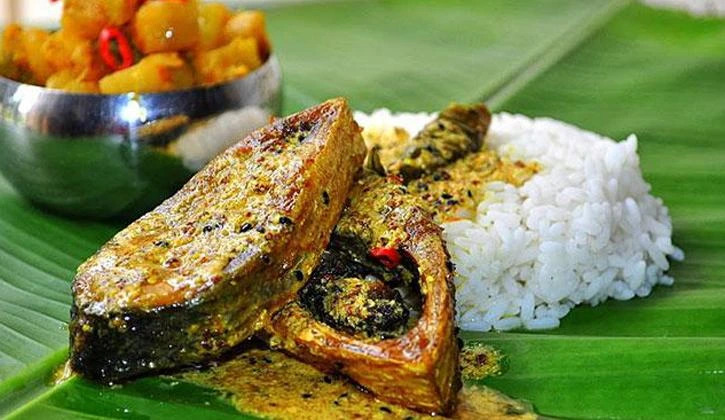
The Sundarban Hilsa Festival, also known as Ilish Utsav, is far more than a culinary gathering. It is a profound celebration of Bengali heritage, riverine life, and the monsoon’s bounty. Held annually during the peak Hilsa season between July and September, this festival transforms the world’s largest mangrove forest into a vibrant stage where nature, culture, and cuisine converge. What makes this festival truly special is its authenticity. It does not rely on manufactured entertainment but on the organic rhythm of the Sundarbans themselves.
The primary specialty lies in the unparalleled freshness of the Hilsa. The fish served during the festival comes from the same rivers that guests travel on. These include the Matla and the Bidyadhari. They also include many tidal creeks across the delta.
This immediacy from water to plate ensures a taste and texture that is impossible to replicate in urban restaurants. Beyond the food, the festival offers a rare immersion into the soul of rural Bengal, where the forest whispers stories and the silence itself becomes a form of celebration.
The Specialties of The Sundarbans’ Hilsa Festival
1. Activities & Events in the Hilsa Festival
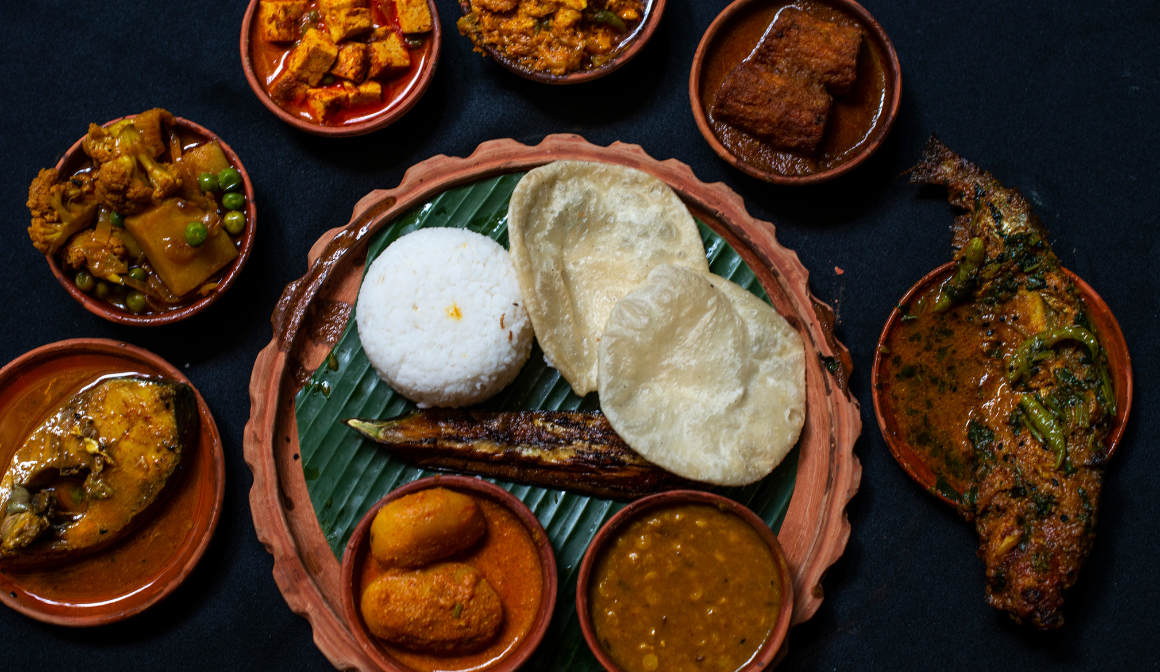
Curated river journeys anchor the festival. Visitors embark on:
- multi-day boat cruises that navigate the intricate mangrove waterways
- offering sightings of estuarine crocodiles basking on mudflats and spotted deer foraging in the distance
- a spectacular array of birdlife, including kingfishers and white-bellied sea eagles.
The journey includes visits to iconic watchtowers like Sudhanyakhali or Dobanki. You may spot the elusive Royal Bengal Tiger there. Village walks through settlements like Gosaba allow guests to witness traditional livelihoods and mud-house architecture, grounding the experience in local reality.
2. Cultural Performances
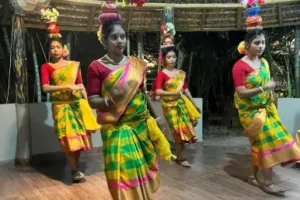
Away from city noise, the entertainment here is organic and soul-stirring. Visitors are treated to Baul music accompanied by the single-stringed ektara, speaking of love, loss, and divinity. These performances are not stage-managed spectacles but intimate gatherings by the riverside, often under the glow of lantern light.
Additionally, local folk dances and traditional Bengali music showcase the rich intangible heritage of the Sundarbans communities, creating an atmosphere that is both festive and deeply reflective.
3. Craftsmanship and Artisanal Products

The Sundarban Ilish Utsav also serves as a platform for local artisans. During village interactions or at designated stalls, visitors can explore and purchase authentic handicrafts. This includes:
- intricately woven textiles
- handmade jewelry crafted from local materials
- traditional clay pottery
- locally harvested Sundarban honey
These souvenirs are not just trinkets; they are tangible connections to the resilience and creativity of the communities living on the edge of the wilderness.
Notable Activities During the Sundarbans Ilish Utsav
1. River Cruising Through Mangrove Labyrinths
Glide through the serene, narrow creeks of the Sundarbans on a traditional boat. This is the primary mode of exploration, allowing you to witness the stunning interplay of water, sky, and dense mangrove foliage while spotting wildlife along the muddy banks.
2. Village Walks and Rural Immersion
Step ashore to explore local villages and interact with the warm-hearted residents. These walks offer a window into a lifestyle deeply intertwined with the forest and river, where you can observe traditional fishing techniques and mud-house architecture.
3. Watchtower Visits and Wildlife Spotting
Visit forest watchtowers like Sudhanyakhali or Dobanki for a panoramic view of the mangrove canopy. This activity offers the thrilling, albeit elusive, chance to spot Royal Bengal Tigers, spotted deer, wild boars, and crocodiles in their natural habitat.
4. Cultural Evenings with Baul Music
Spend evenings immersed in the soulful melodies of Baul singers. These mystical performances, rich with philosophy and rustic charm, provide an emotional core to the festival, connecting you to Bengal’s deep spiritual and artistic traditions.
5. Culinary Demonstrations and Tasting
Witness the art of Hilsa preparation firsthand. While formal workshops vary by tour operator, the open-air meal preparations and interactions with local cooks offer insight into the traditional mustard marinades and steaming techniques unique to the region.
6. Birdwatching Excursions
With over 300 avian species recorded, the Sundarbans is a paradise for bird enthusiasts. Keep binoculars handy during boat rides to spot rare species like the masked finfoot, Brown-winged kingfisher, and majestic raptors like the white-bellied sea eagle.
Treat Your Taste Buds: Most Delicious Ilish Items That You Must Taste

- Ilish Paturi
- Shorshe Ilish
- Bhapa Ilish
- Doi Ilish
- Ilish Bhaja
- Ilish Pulao
- Smoked Hilsa Grill
- Ilish Tok
What to Pack for Your Monsoon Trip to Sundarbans
- Lightweight, quick-dry clothing (avoid heavy denim) as humidity is high.
- A sturdy, compact umbrella and a waterproof rain jacket or poncho.
- Comfortable, non-slip footwear or waterproof sandals for boat decks and muddy village paths.
- Mosquito and insect repellent (DEET-based or natural citronella).
- Binoculars for birdwatching and wildlife spotting.
- Personal medication and basic first-aid supplies (band-aids, antiseptic cream, motion sickness tablets).
- Waterproof bags or dry sacks to protect electronics (phones, cameras) during boat rides.
- Power bank, as electricity in remote forest areas can be intermittent.
- Cash (Indian Rupees) in small denominations, as ATMs and card machines are scarce.
- A hat or cap and sunglasses for the occasional sunny spell on the open river.
Conclusion
The Sundarban Hilsa Festival is a journey back to the essentials—where the roar of the city is replaced by the gentle lap of water and the splash of a Hilsa’s tail. It is a celebration that proves you don’t need loud music or bright lights to create lasting memories; you just need a river, a forest, and soul food. The combination of the Sundarbans’ ethereal beauty with the unmatched flavor of freshly caught Hilsa creates a travel experience that is both sensory and spiritual.
At Solitary Nook, we believe in finding magic in quiet corners and in journeys that nourish the introspective traveler. This festival aligns perfectly with that philosophy—it is a retreat for those who find joy in stillness and connection in simplicity. As you float through the mangroves with the monsoon sky above and a plate of mustard-steamed Hilsa in hand, you realize that this is not just a meal or a tour; it is an encounter with the untamed, poetic soul of Bengal.