


10 Amazing Facts of Mangrove Tree
The Sundarbans is a land of magic in itself. It’s the world’s largest mangrove forest and a UNESCO World Heritage Site. There are many amazing stories and facts about the Sundarbans. It’s the only natural habitat of the Royal Bengal tiger and hosts various birds, sea animals, and wild animals. This large forest is named after the Sundari trees and in this blog, we’re going to share some amazing facts about the Sundari trees of Sundarbans.
Most Unique Facts about the Mangrove Trees of the Sundarbans
1. Mangrove Trees Can Survive in Saltwater
The mangroves of Sundarbans have a unique characteristic; they can survive in the salty water of the Sundarbans. This is possible because unlike normal trees, mangroves have developed special mechanisms to deal with salt. They can filter salt water. As a result, mangrove trees serve as a natural barrier against storms and tidal waves.
2. They Breathe Through the Roots
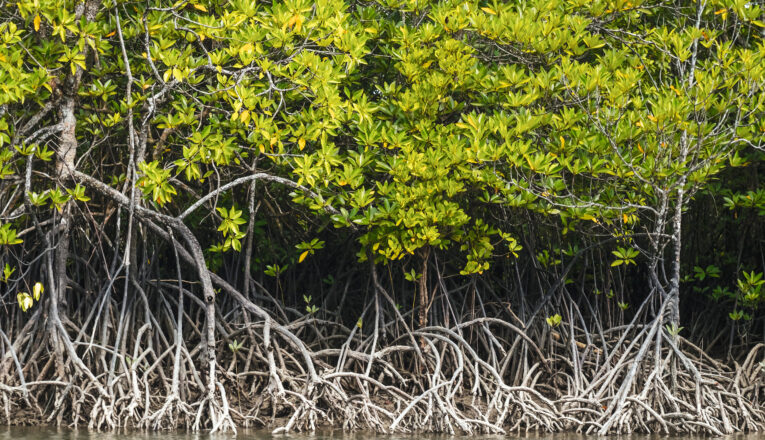
Mangrove trees in the Sundarbans have aerial roots that rise above the muddy soil. They have adapted to this survival mechanism because the soil in mangrove forests lacks oxygen. Hence, the roots act like breathing tubes, absorbing oxygen directly from the air.
3. Sundari Trees Act as Natural Protection
The mangroves are also called “Sundari” trees. Their dense population acts like a natural shield against violent storms and heavy tidal waters. The exposed roots of the tree also slow down strong winds before they can damage human settlements. Furthermore, studies have shown that villages protected by mangrove belts suffer far less damage during cyclones.
4. Mangrove Trees Are the Center of Sundarbans Wildlife
The entire ecosystem of the jungle is mangrove-centric. They provide shelter, food, and act like breeding grounds for many wildlife species. Without mangrove trees, the wildlife of the Sundarbans would not survive.
5. They Support Local Livelihoods
The Sundari trees are deeply rooted in the lives of the local communities. The locals depend on mangrove trees for honey collection, crab farming, and eco-tourism.
6. More 60 Unique Species of Mangrove Trees
One of the lesser-known facts about the mangrove trees is that there are almost 60 different species of trees in Sundarbans. Some of them are:
- Sundari
- Gewa
- Goran
- Keora
- Baen
Each species plays a unique role in stabilizing soil, supporting wildlife, and adapting to changing tides.
7. They Stop Soil Erosion
The roots of the mangrove trees bind the soil. As a result, they prevent soil erosion tides and river currents. Without these trees, the Sundarbans delta would vanish under the sea. These roots trap sediments carried by rivers, helping form new land and maintaining the balance of the Sundarbans.
8. The Mangrove Trees Promote Sundarbans Tourism
The mangrove forests are what makes Sundarbans tourism truly special. Narrow waterways, dense green walls, exposed roots, and sudden wildlife sightings create an unforgettable experience.
Read More:
Monsoon Travel Guide for Sundarbans Tour in 2026
Conclusion
The mangrove trees are the ultimate life-support system of the Sundarbans. They have many unique characteristics. These trees can survive in saltwater and breathe through the roots. The mangrove trees act as natural protection, mangrove trees are the center of Sundarbans wildlife, and they support local livelihoods. They support local livelihoods and there are more than 60 unique species of trees. They stop soil erosion and promote Sundarbans tourism.