


Exploring Sundarban with Children and Elderly Parents
A Sundarban trip is three or four hours in a car, then most of a day sitting on a boat. For an adult that is restful. For a four-year-old it is a long time to be told to sit still, and for a grandparent with a bad knee it depends entirely on which month you picked.
The delta can be an excellent family holiday. It is also one of the easier places to get wrong, because the thing that makes it special — slow, quiet, unstructured time on water — is exactly the thing young children have the least patience for.
This is how to plan it so everyone enjoys it, including the honest parts about who should wait a few years.
Start With The Season. It Decides Everything Else.
For families, winter. November to February. This is not a close call and it is the single most important decision you will make.
Winter gives you eighteen to twenty-four degrees, dry air and calm water. Children are comfortable, grandparents are comfortable, and the boat does not pitch. Crocodiles come out onto the mudbanks to warm up, deer come to the pond at the watchtower, and there is visibly more happening — which matters enormously when your audience includes someone who will announce they are bored.
The other seasons are harder work:
| Season | With a family |
| Winter (Nov–Feb) | The right answer. Comfortable, calm water, most to see. Book four to six weeks ahead, considerably more for the last week of December. |
| October / March | Good alternative. Still pleasant, noticeably fewer boats. Worth considering if school holidays allow. |
| Monsoon (Jul–Sep) | Hard with small children and hard on elderly parents. Humid, wet, rough water, and little visible wildlife. The hilsa festival is a genuine draw for adults, less so for a seven-year-old. |
| Summer (Apr–Jun) | Avoid. Forty degrees with delta humidity and no shade on a river. Do not plan a family trip in these months. |
Which Package Suits a Family
Two nights, three days. It gives you one full cruise day and a relaxed village morning, with a day either side for travel. That rhythm — one big day, surrounded by gentler ones — is what works with children.
The one-night package compresses everything into a single day of travel plus cruising, which is a long stretch for small children and often means arriving back in Kolkata tired and irritable. The three-night package with two full cruise days is wonderful for birders and photographers, but a second consecutive six-hour boat day is usually one too many for a child.
There is also a practical point: At Solitary Nook, children under five stay free where no extra bed is needed, which makes the two-night option better value than it first looks for families with a toddler.
What The Day Actually Looks Like
Worth setting expectations before you book, because the boat day is the part families most often misjudge.
You leave early, usually after breakfast. The boat moves at walking pace for most of the day, stopping at two or three watchtowers and cutting into narrow creeks between them. Lunch is cooked and served on board. You are back at the resort by evening.
That is roughly six hours afloat, with maybe forty-five minutes of it spent off the boat at towers. There is no play area, no screen, and limited room to move about. Children who can entertain themselves with a window and a pair of binoculars have a wonderful time. Children who need something happening every ten minutes find it long.
By Age, Honestly
Under Three
Difficult. Nap schedules do not survive a boat day, there is nowhere to put a toddler down safely, and the things worth seeing are far away and need pointing out. Most families with a child this age have a better time waiting a couple of years. If you are going regardless, winter only, and expect one adult to be fully occupied the entire day.
Three to Six
Workable with preparation. These children do best when given a job — spotting crocodiles, counting kingfishers, holding the binoculars. The village walk on the final morning is often their favourite part of the trip, more than the forest. Pack more snacks than you think necessary.
Seven to Twelve
The sweet spot. Old enough to sit, watch and understand what they are looking at, young enough to find a crocodile on a mudbank genuinely thrilling. A child this age with their own binoculars usually out-spots the adults, which they enjoy enormously.
Teenagers
Depends entirely on the teenager, and on the fact that the mobile network drops out once you are inside the forest. Some find the disconnection restful. Forewarn them rather than letting it be a surprise.
Travelling With Elderly Parents
The delta is manageable for older travellers in winter and genuinely unpleasant for them in summer or monsoon. Beyond the season, a few specifics:
- Boarding is The Hard Part: Getting on and off a boat at a jetty involves a step down and sometimes an unsteady plank. Mention mobility concerns when you book so the crew is ready to help rather than improvising.
- Watchtower Stairs: The towers involve climbing. There is no shame in staying on the boat — the view from the deck is often better anyway, and quieter.
- Toilets on Board are Basic: Functional, not comfortable. Worth knowing in advance if that is a consideration.
- Carry Regular Medication in Hand Luggage: Not in a bag stowed somewhere. There is no pharmacy inside the forest and the nearest proper medical facilities are a boat ride and a drive away.
- The Morning Cold is Underestimated: Fourteen degrees does not sound cold until you are on a moving boat in river fog with no windbreak. A proper jacket, not a shawl.
What to Pack for a Family Trip
- Binoculars, Ideally One Pair Per Child: An inexpensive pair they can hold themselves changes the whole day. This is the single best thing you can bring.
- More Snacks Than Seems Reasonable: Meals are provided and good, but the gaps between them are long and there is no shop on the river.
- A Warm Layer for Mornings: A cap, sunglasses and sunscreen for midday. River glare burns even in December.
- Dull-Coloured Clothes: Bright colours on an open deck are visible from a long way off and reduce what everyone sees.
- A Book, Cards, or a Drawing Pad: The quiet stretches between watchtowers.
- Mosquito Repellent: Evenings at the resort rather than for the boat.
- Original Photo ID for Every Family Member: Children included. They count as passengers on the forest permit.
- Cash: No ATMs at Pakhiralaya, and the network is patchy.
Is it Safe?
For tourists on registered boats with licensed guides, yes. The attacks that make the Sundarbans sound dangerous involve honey collectors and fishermen who enter the forest on foot, deep inside, for a living. That is a completely different activity from a family on a permitted boat in the buffer zone.
The real safety points are ordinary ones. Life jackets are required on board and should be worn by children throughout. You do not get off the boat except at the designated towers and walkways. And the watchtowers are fenced, which is worth explaining to a child beforehand so the fence does not become a thing to climb.
Setting Expectations About The Tiger
Say it to the children before you go rather than letting the day say it for you.
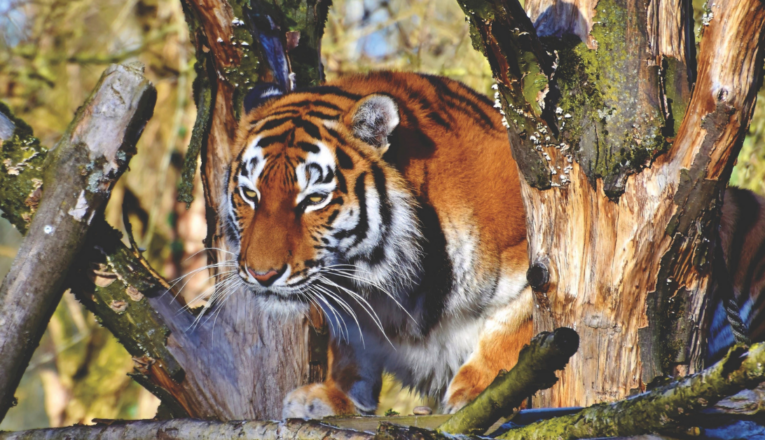
Tiger sightings in the Sundarbans are genuinely rare — the mangrove is dense enough to hide a tiger at close range, and most visitors never see one. A child who has been promised a tiger spends six hours disappointed. A child who has been told the forest is so good at hiding tigers that almost nobody sees one, and that the real game is spotting crocodiles and kingfishers, has a completely different day.
Frame it as a treasure hunt where the prize is a crocodile. That version is true, and it is achievable.
Solitary Nook has been hosting families at Pakhiralaya since 1995. Tell us the ages travelling with you and whether anyone needs help boarding, and we will plan the days around that rather than the standard route. Send an enquiry.