


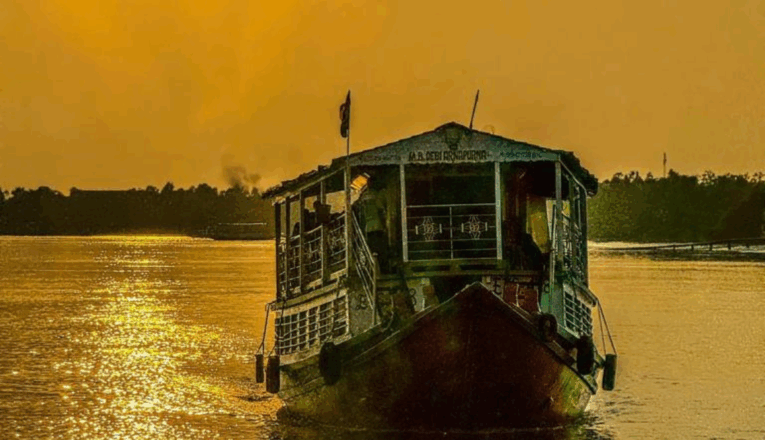
Monsoon Travel Guide for Sundarbans Tour in 2026
Think the Sundarbans are off-limits when the clouds roll in? Think again. While most travelers flock to the mangroves during the chilly winter months, the “seasoned” explorers know a secret: The monsoon transforms the Sundarbans into an emerald paradise that looks like a scene straight out of an epic nature documentary.
If you’ve been hesitant about visiting during the rainy season, you’re likely worried about muddy trails or hidden wildlife. But for those who value peace, lush scenery, and a touch of adventure, the rainy season is unbeatable.
At Solitary Nook, we believe the monsoon isn’t a reason to stay home—it’s the best reason to pack your bags. Let’s dive into why the rains bring out a side of the mangroves you’ve never seen before.
Best Reasons For a Monsoon Sundarbans Trip
1. The “Emerald Transformation” of the Mangroves

During the winter, the forest can look a bit dusty and grey. But come July, the rains wash away the salt and dust, leaving behind a vibrant, neon-green canopy. The air is the cleanest it will be all year, and the scent of damp earth and salty sea air is incredibly rejuvenating.
- The View: Imagine sitting on your private balcony at Solitary Nook Resort, watching the rain dance across the Matla River.
- The Experience: The creeks are full, and the forest feels “alive.” Every leaf and root is saturated with color, making it a photographer’s dream.
2. Wildlife in the Rain
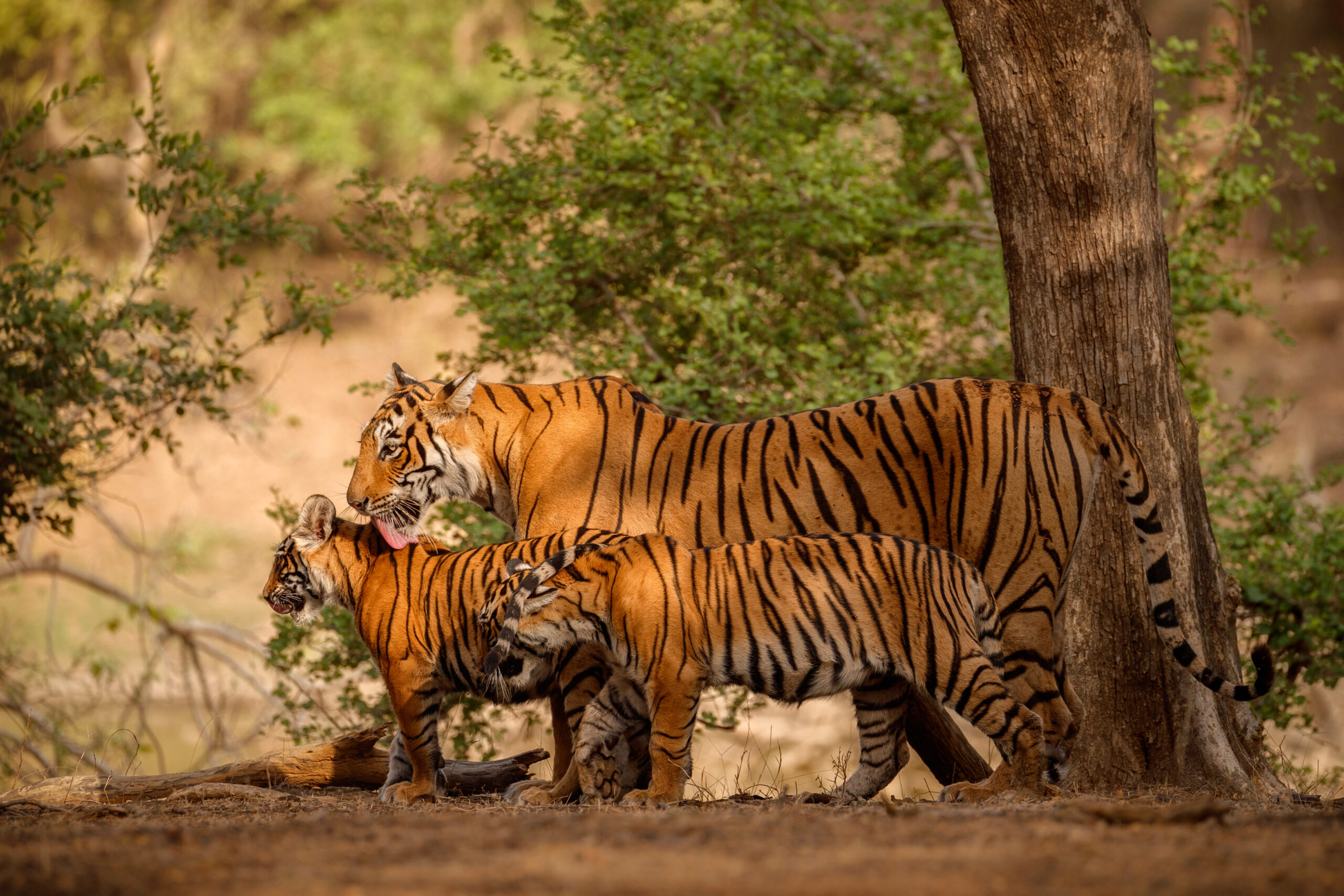
A common myth is that animals hide when it rains. In reality, the cooler temperatures and abundant water mean the forest inhabitants are often more active.
- Spotted Deer: You’ll see them huddled under the Hental trees, their coats glistening.
- The King of the Forest: While the Royal Bengal Tiger is elusive year-round, the soft, muddy banks of the monsoon are perfect for spotting fresh pugmarks.
- Birdwatcher’s Heaven: Monsoon is the breeding season for many local birds. The heronries are loud, busy, and full of life—a spectacle you won’t see in December.
3.The Ultimate Escape from the Crowds

Let’s talk about a major pain point: Winter Crowds. In the peak season, the narrow creeks can sometimes feel like a highway of motorboats.
- The Benefit: In the monsoon, the Sundarbans return to their roots—quiet, mysterious, and solitary. You can explore the Sajnekhali or Sudhanyakhali watchtowers without elbowing through a crowd.
- The Vibe: It’s just you, the rhythm of the rain, and the vast wilderness. It is the definition of “getting away from it all.”
4. Hilsa (Ilish) Festivals

You cannot mention the monsoon in Bengal without talking about Ilish Maach. The rainy season is when the finest Hilsa is harvested, and it is a culinary experience like no other.
Our kitchen at Solitary Nook prepares legendary Hilsa platters—smoked, steamed, or fried—that are worth the trip alone. Check out our Dining Experience to see how we celebrate the flavors of the delta.
The Final Word
The monsoon in Sundarban is a season of raw, unfiltered beauty. It is the time when the “Great Mangrove” truly earns its name, erupting in shades of green so vivid they seem surreal. By choosing to visit during the rainy season, you are trading the crowded winter queues for the rhythmic song of the rain and the unmatched serenity of a forest that feels entirely yours.
Whether you are seeking the thrill of tracking a tiger through the fresh mud or simply want to savor a plate of steaming Ilish while the mist rolls over the river, Solitary Nook is your perfect base. We provide the comfort, safety, and local expertise needed to turn a rainy weekend into a lifelong memory.
Overcoming the Rainy Day Worries
We know what you’re thinking: “Is it safe? Will I get stuck?” At Solitary Nook, we specialize in monsoon hospitality. Our resort is built to provide a cozy sanctuary against the elements. We offer curated Sundarban tour packages designed specifically for the rainy season, utilizing high-quality, covered boats that allow you to enjoy the view without getting drenched.
The Solitary Verdict
The Sundarbans in the monsoon aren’t for the “tourist”—they are for the traveler. It’s for the person who finds beauty in the mist, music in the rain, and peace in the solitude.
Plan Your Monsoon Retreat
Ready to swap the city noise for the sound of the rain on the mangroves?
- Book Your Stay: Secure your spot at the best luxury resort in Sundarban.
- Explore Packages: From weekend getaways to photography tours, find your perfect itinerary here.
- Talk to Us: Have concerns about the weather? Call our local experts or visit us in Pakhiralaya to plan your safe, stunning monsoon escape.
Solitary Nook: Where the wild meets the rain, and you find yourself.
Frequently Asked Questions
1. Is Sundarbansafe during monsoon?
A: Yes! While the sea can be choppy, the inner creeks where most safaris happen remain calm. We monitor weather alerts constantly and only operate when it is 100% safe.
2. What should I pack for a rainy season trip?
A: Waterproof bags for your cameras, quick-dry clothing, and a sturdy pair of sandals. We provide umbrellas and raincoats for our guests!
3. Will I see the Tiger?
A: Tiger sightings are a matter of luck in any season, but the rain makes the pugmarks much easier to track on the soft mud banks